LT/HT CABLES
Lead Engineer
Technical Team
Understanding LT/HT Cables
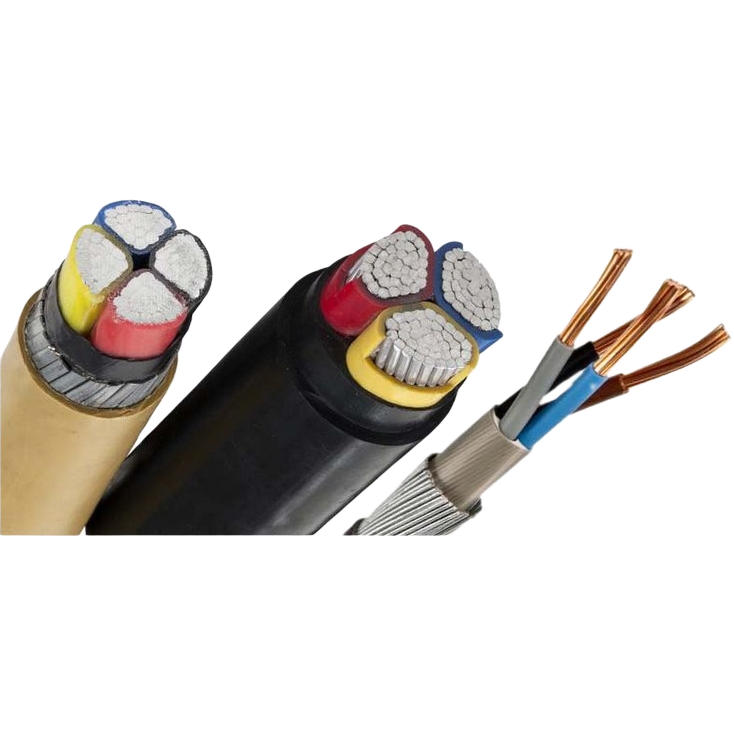
LT/HT (Low Tension and High Tension) cables are critical components of electrical power transmission and distribution systems, designed to safely carry electrical energy across varying voltage levels with high efficiency and reliability. LT cables typically operate at voltages up to 1 kV, while HT cables are used for higher voltage transmission above 1 kV in industrial, commercial, infrastructure, and utility-scale power networks.
These cables are manufactured using high-conductivity materials such as copper or aluminum and are insulated with advanced compounds like XLPE (Cross-Linked Polyethylene) or PVC (Polyvinyl Chloride). This ensures excellent electrical performance, superior thermal stability, high dielectric strength, and strong resistance against mechanical stress, moisture, and chemical exposure.
LT/HT cables are widely deployed in power plants, substations, manufacturing facilities, commercial complexes, underground distribution networks, and large-scale infrastructure projects. They play a vital role in ensuring stable and continuous power transmission while minimizing energy losses, voltage drops, and operational risks across electrical systems.
Modern LT/HT cables are engineered with multi-layer protective insulation, flame-retardant properties, and robust outer sheathing to withstand harsh environmental conditions. These safety-enhanced designs help prevent electrical leakage, overheating, short circuits, moisture ingress, and physical damage, ensuring long-term durability and reliable performance in demanding applications.
What are LT/HT Cables?
Definition
LT/HT cables are electrical power cables used for low tension and high tension power transmission applications.
Formula
P = V × I
Ideal Value
Efficient power transmission
Acceptable Range
Stable electrical performance
Common Cable Related Issues
Poor quality cables can reduce system efficiency and safety.
Problems Without Quality LT/HT Cables
Using low-grade cables can affect overall electrical performance and safety.
Working Principle
LT/HT cables transfer electrical energy from source to load efficiently.
Main Components of LT/HT Cables
Conductor
Carries electrical current
Insulation
Prevents electrical leakage
Outer Sheath
Provides mechanical protection
Armouring
Protects against physical damage
Types of LT/HT Cables
Before APFC
After APFC
Savings Achieved
Reduced downtime and enhanced system safety
Benefits of LT/HT Cables
Applications
Maintenance Tips
Conclusion
LT/HT cables provide reliable, safe, and efficient electrical power transmission, making them essential for industrial and commercial power systems.